

Can You Live in Your Home During a Remodel?
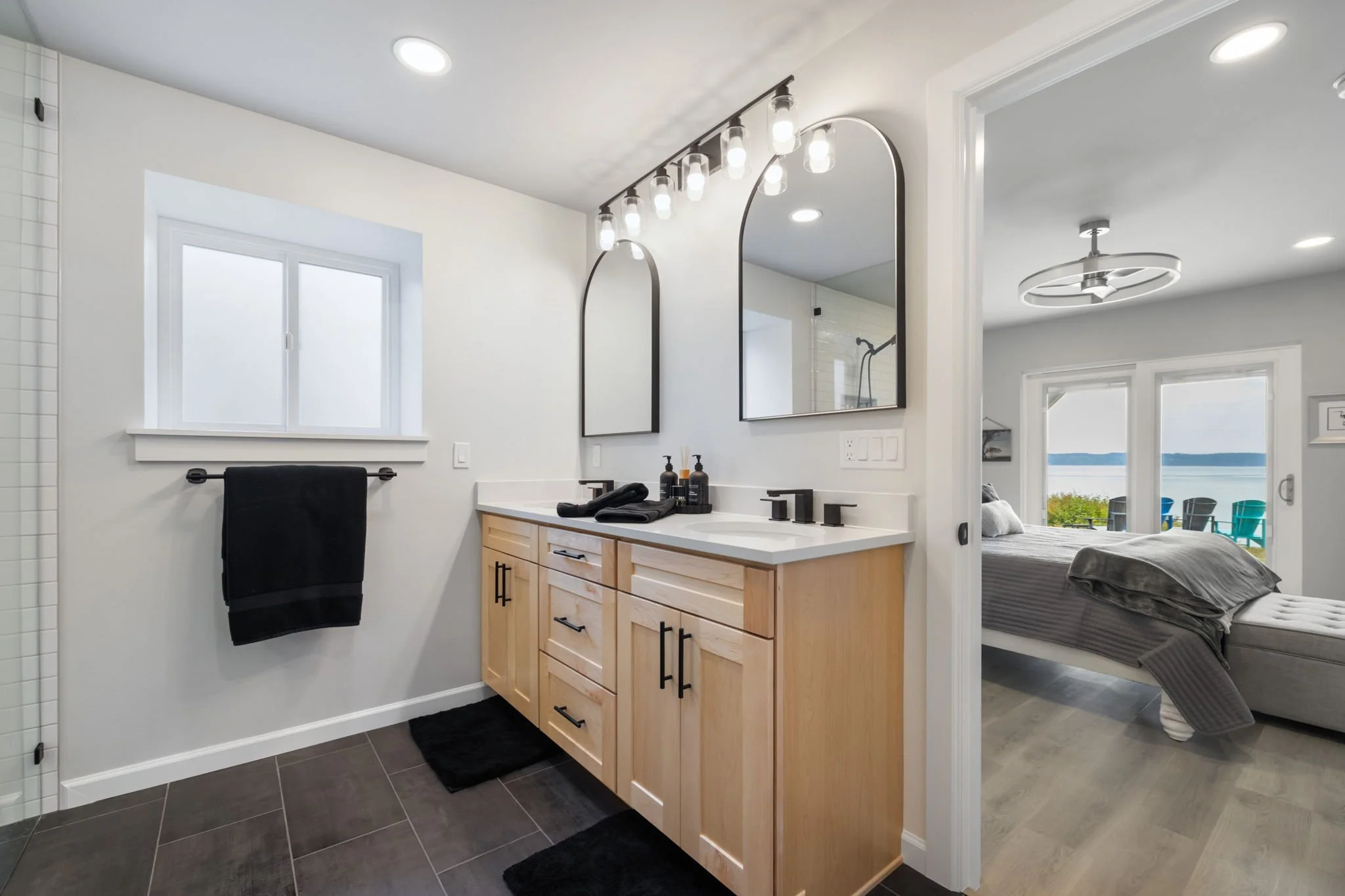
One of the most common questions homeowners ask before starting a renovation is: Can I continue living in my home during the remodel? The answer depends on the scope of work, the areas being renovated, and your family's comfort level with the construction process.
While many homeowners successfully remain in their homes during a remodel, there are situations where temporary relocation may be the better option. Understanding what to expect can help you make the right decision for your project.
Factors That Determine Whether You Can Stay
The Size and Scope of the Project
Smaller projects, such as a bathroom renovation or a single room remodel, often allow homeowners to remain in the home with minimal disruption. Larger projects, including whole home renovations, major additions, or extensive structural modifications, can significantly impact daily life.
If multiple areas of your home are under construction at the same time, access to essential spaces may be limited, making it more challenging to stay comfortably.
Access to Key Living Areas
Consider whether you will have access to:
A functioning kitchen
At least one usable bathroom
Bedrooms and sleeping areas
Laundry facilities
Safe entrances and exits
If your project affects these essential spaces, temporary housing may be worth considering.
Dust, Noise, and Daily Disruptions
Construction is inherently noisy and can create dust despite containment measures. Demolition, framing, flooring installation, and other phases of construction can make working from home, attending virtual meetings, or maintaining a normal routine difficult.
Families with young children, pets, or individuals sensitive to dust and noise may find temporary relocation more comfortable during certain phases of the project.
When Staying in Your Home Makes Sense
Many homeowners choose to remain in their homes when:
The renovation is limited to one area.
The project is being completed in phases.
Alternative bathrooms or living spaces are available.
They want to save money on temporary housing.
They are comfortable with some disruption to their daily routine.
A well planned construction schedule and clear communication from your contractor can help make the experience more manageable.
When Moving Out May Be the Better Option
Temporary relocation is often recommended when:
The kitchen and multiple bathrooms are being remodeled simultaneously.
Major structural changes are taking place.
Utilities such as water, electricity, or HVAC systems will be interrupted for extended periods.
Significant demolition is involved.
The project affects most or all of the home.
While moving out adds an additional expense, many homeowners find that it reduces stress and allows construction to progress more efficiently.
How Rainier Construction Helps Minimize Disruption
At Rainier Construction, we understand that remodeling your home impacts your daily life. That's why we focus on thorough pre-construction planning, clear communication, and realistic scheduling to help homeowners prepare for each phase of their project.
Our team works closely with clients to discuss expectations, identify potential challenges, and develop a construction plan that fits their needs whenever possible. We also maintain open communication throughout the project so homeowners know what to expect and when.
Questions to Ask Before Deciding
Before your project begins, consider discussing these questions with your contractor:
Which areas of the home will be inaccessible and for how long?
Will utilities be interrupted?
Can the project be phased to keep portions of the home functional?
What measures will be taken to control dust and protect finished areas?
Are there specific phases when temporary relocation would be recommended?
Having these conversations early can help you make an informed decision and avoid surprises once construction begins.
Final Thoughts
Whether you can live in your home during a remodel depends on the project's scope, your family's needs, and your tolerance for temporary disruption. In many cases, staying is possible, but for larger renovations, moving out for part or all of the project may provide a more comfortable experience.
If you are planning a renovation in Gig Harbor, Tacoma, Pierce County, or Kitsap County, Rainier Construction can help you understand what to expect and develop a plan that works for your home and lifestyle.
Contact Rainier Construction today to discuss your remodeling project and learn how we can help make the renovation process as smooth as possible.