

Pierce County ADU Requirements: What Homeowners Need to Know
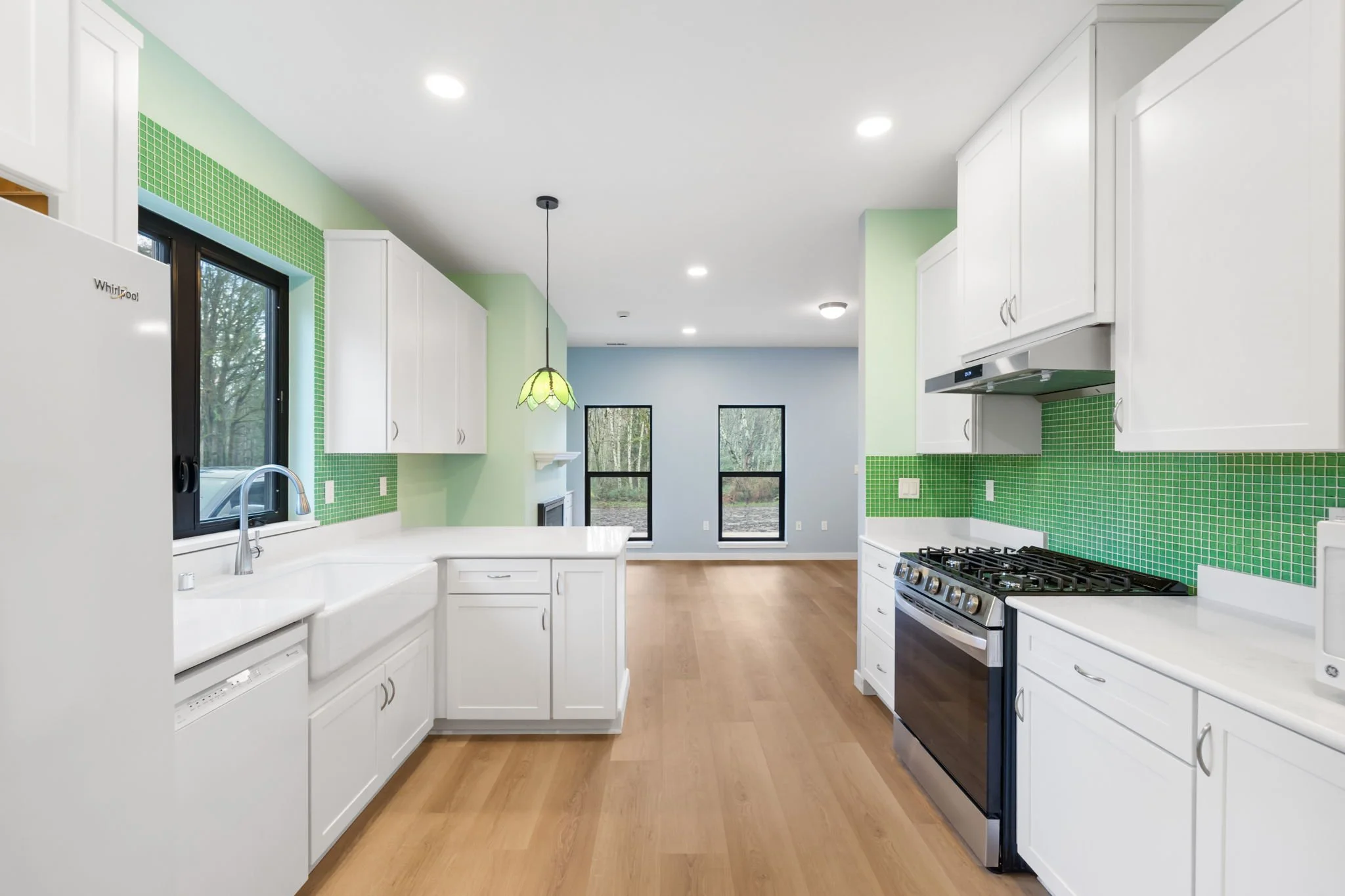
Accessory Dwelling Units (ADUs) continue to be one of the most popular home improvement projects in Pierce County. Whether you're looking to create housing for family members, generate rental income, or add long-term property value, understanding current ADU regulations is essential before beginning your project.
What Is an ADU?
An Accessory Dwelling Unit (ADU) is a secondary living space located on the same property as a primary residence. ADUs may be attached to the main home, detached as a separate structure, or created through the conversion of existing spaces such as garages or basements.
Why ADUs Are Becoming More Popular
Homeowners are increasingly using ADUs to:
Support multigenerational living
Create rental income opportunities
Provide housing for aging parents
Accommodate adult children
Increase property flexibility and value
Industry reports continue to show growing demand for multigenerational housing and flexible living arrangements throughout the country.
Recent Washington State ADU Changes
Recent Washington State legislation has expanded opportunities for ADU development. Current state law generally requires jurisdictions within Urban Growth Areas to allow up to two ADUs on residential lots where single-family homes are permitted, subject to applicable local development standards and implementation requirements.
Additional changes include:
Reduced owner-occupancy requirements
Greater flexibility regarding parking requirements
Increased opportunities for detached ADUs
Simplified development standards in many jurisdictions
Pierce County ADU Considerations
In Pierce County, ADUs must meet applicable zoning, building, and design requirements. Size limitations and development standards may vary depending on whether a property is located inside or outside an Urban Growth Area (UGA).
Current Pierce County regulations generally allow ADUs up to 1,000 square feet within Urban Growth Areas and up to 1,250 square feet outside Urban Growth Areas. Property-specific requirements may also affect what can be built. Before starting an ADU project, homeowners should consider:
Property zoning
Utility availability and connections
Site access
Setback requirements
Parking requirements
Building code compliance
Permit requirements
Because regulations can change and may vary based on property location, it's important to verify current requirements during the planning process.
Is an ADU Right for Your Property?
Every property presents unique opportunities and challenges. The best way to determine feasibility is through an early site evaluation and planning process.
At Rainier Construction, we help homeowners evaluate ADU options, understand permitting requirements, and develop solutions that align with local regulations and long-term goals.
Interested in building an ADU in Pierce County? Contact Rainier Construction to schedule a consultation and explore your property's potential.
FAQs
How Much Does It Cost to Build an ADU in Pierce County?
The cost of building an ADU in Pierce County varies depending on factors such as size, site conditions, utility connections, design complexity, and finish selections. In general, homeowners can expect ADU projects to range from approximately $200,000 to $400,000 or more. The best way to determine an accurate project cost is through a site evaluation and preliminary design process.
Do I Need a Permit for an ADU?
Yes. In Pierce County, ADUs require building permits and must comply with applicable zoning, building, and development regulations. Permit applications must demonstrate compliance with size limitations, setbacks, design standards, utility requirements, and building codes. Obtaining the proper permits helps ensure the ADU is safe, legal, and eligible for future financing, insurance, and resale considerations.
Can I Rent Out My ADU?
In most cases, yes. Washington State law has reduced many of the owner-occupancy requirements that previously limited ADU use. Many homeowners use ADUs as long-term rental housing, guest accommodations, or housing for family members. If you plan to rent your ADU, landlord-tenant laws, tax requirements, and any applicable local regulations will apply. Homeowners considering short-term rentals should also verify any additional local requirements before proceeding.
How Long Does the ADU Permitting Process Take?
Permit timelines vary based on project complexity, application completeness, and county review workloads. In many cases, homeowners should anticipate several weeks to a few months for permitting before construction can begin. Projects that require additional reviews, utility coordination, septic approvals, or design revisions may take longer.
Working with an experienced design and construction team early in the process can help identify potential issues, streamline permitting, and reduce delays.