

What to Expect During a Whole Home Renovation
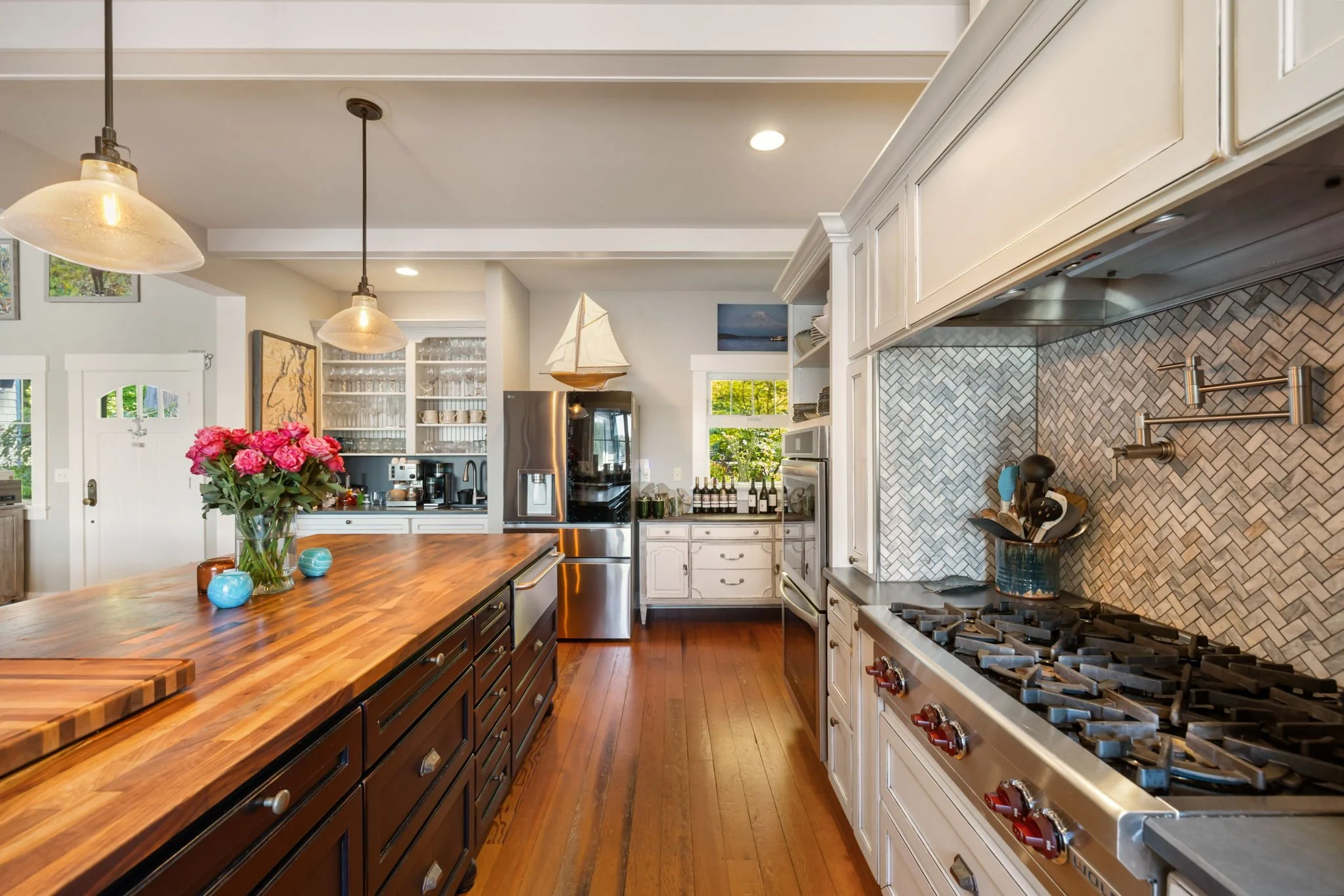
A whole home renovation is one of the most exciting ways to transform your living space and create a home that truly fits your lifestyle. Whether you are updating an older home, revamping a floor plan, or modernizing every room, a full scale renovation can dramatically improve both functionality and value.
At Rainier Construction, we understand that the process can feel overwhelming if you have never been through a major remodel before. Knowing what to expect can help you feel more confident and prepared from the first meeting to the final walkthrough.
Step 1: Initial Consultation and Project Planning
Every successful renovation begins with a thorough planning process. During the initial site visit, we will discuss your goals, budget, timeline, and vision for the home.
This is the time to answer important questions such as:
What areas of the home need to be renovated?
Are structural changes required?
Will the renovation improve functionality, aesthetics, or both?
Are there specific features or finishes you want to incorporate?
The more detailed the planning phase, the smoother the construction process will be.
Step 2: Design and Selections
Once the scope of work is established, it's time to make design decisions and select materials.
This may include:
Flooring
Cabinets
Countertops
Tile
Plumbing fixtures
Lighting
Paint colors
Doors and trim
Making selections early helps prevent delays later in the project. Your contractor can also help guide you toward products that fit both your style and budget.
Step 3: Permitting and Pre-Construction Preparation
Many whole home renovations require permits, especially when structural, electrical, plumbing, or mechanical systems are being modified.
Before construction begins, your contractor will:
Obtain necessary permits
Finalize construction schedules
Coordinate subcontractors
Order long lead materials
Prepare the site for demolition
Permit timelines vary depending on the scope of work and local jurisdiction, but this step is essential to ensure the project meets all building codes and safety requirements.
Step 4: Demolition
Demolition is often the first visible sign of progress.
During this phase, crews remove existing materials such as:
Cabinets
Flooring
Drywall
Fixtures
Interior walls (when applicable)
While demolition can make a home look worse before it gets better, it creates the clean slate needed for the transformation ahead!
Step 5: Behind the Walls
Once walls, ceilings, and floors are opened up, it's common to discover surprises in older homes.
Examples may include:
Outdated electrical wiring
Plumbing issues
Water damage
Previous DIY repairs
Structural concerns
Insulation deficiencies
Addressing these issues now helps prevent costly problems in the future and ensures your renovated home is built to modern standards.
Step 6: Framing, Mechanical, Electrical, and Plumbing Work
After demolition and any necessary repairs, the home's infrastructure is updated.
This phase often includes:
New framing
Electrical upgrades
Plumbing modifications
HVAC improvements
Smart home wiring
Energy efficiency enhancements
Inspections are typically required before walls can be closed up and finished work can begin.
Step 7: Drywall, Flooring, and Interior Finishes
This is when homeowners begin to see their vision come to life.
During this phase, crews install:
Drywall
Interior doors
Trim and millwork
Flooring
Tile
Cabinets
Countertops
Paint
Progress tends to feel much faster at this stage because visible finishes are being added throughout the home.
Step 8: Final Fixtures and Details
The finishing touches make a big difference.
This includes installing:
Light fixtures
Plumbing fixtures
Hardware
Appliances
Mirrors
Shelving
Custom features
Attention to detail during this stage helps create a polished final product.
Step 9: Final Walkthrough and Project Completion
Before the project is considered complete, your contractor will conduct a final walkthrough to ensure everything meets expectations.
This process allows homeowners to:
Review completed work
Ask questions about new systems or features
Identify any final touch-ups
Understand maintenance recommendations
The goal is to ensure you are completely satisfied before enjoying your newly renovated home.
How Long Does a Whole Home Renovation Take?
The timeline depends on the size and complexity of the project.
Factors that affect scheduling include:
Home size
Structural modifications
Permit approval timelines
Material lead times
Custom finishes
Weather conditions (for exterior work)
While every project is unique, many whole home renovations take several months from planning to completion. Your contractor should provide a realistic schedule and keep you informed throughout the process.
Tips for a Successful Whole Home Renovation
If you're preparing for a major remodel, consider the following:
Establish a realistic budget with contingency funds.
Make selections early whenever possible.
Communicate regularly with your contractor.
Be prepared for temporary inconveniences.
Trust the process and focus on the long-term results.
Working with an experienced contractor can make a significant difference in keeping the project organized, efficient, and enjoyable.
Partner with Rainier Construction
A whole home renovation is a major investment, but it can completely transform the way you live in your home. At Rainier Construction, we help homeowners throughout Gig Harbor, Tacoma, University Place, and other surrounding areas of Pierce and Kitsap Counties. We navigate every step of the remodeling process with clear communication, quality craftsmanship, and attention to detail.
If you are considering a whole home renovation, our team is here to help bring your vision to life. Contact Rainier Construction today to schedule a consultation and start planning your home's transformation!