

When planning a home renovation, addition, or custom construction project, most homeowners focus on the finished result. But what happens when something changes along the way?
Maybe you decide to upgrade your kitchen countertops, add extra lighting, or make adjustments to the original layout. In other situations, your contractor may uncover unexpected conditions behind the walls that need to be addressed before construction can move forward.
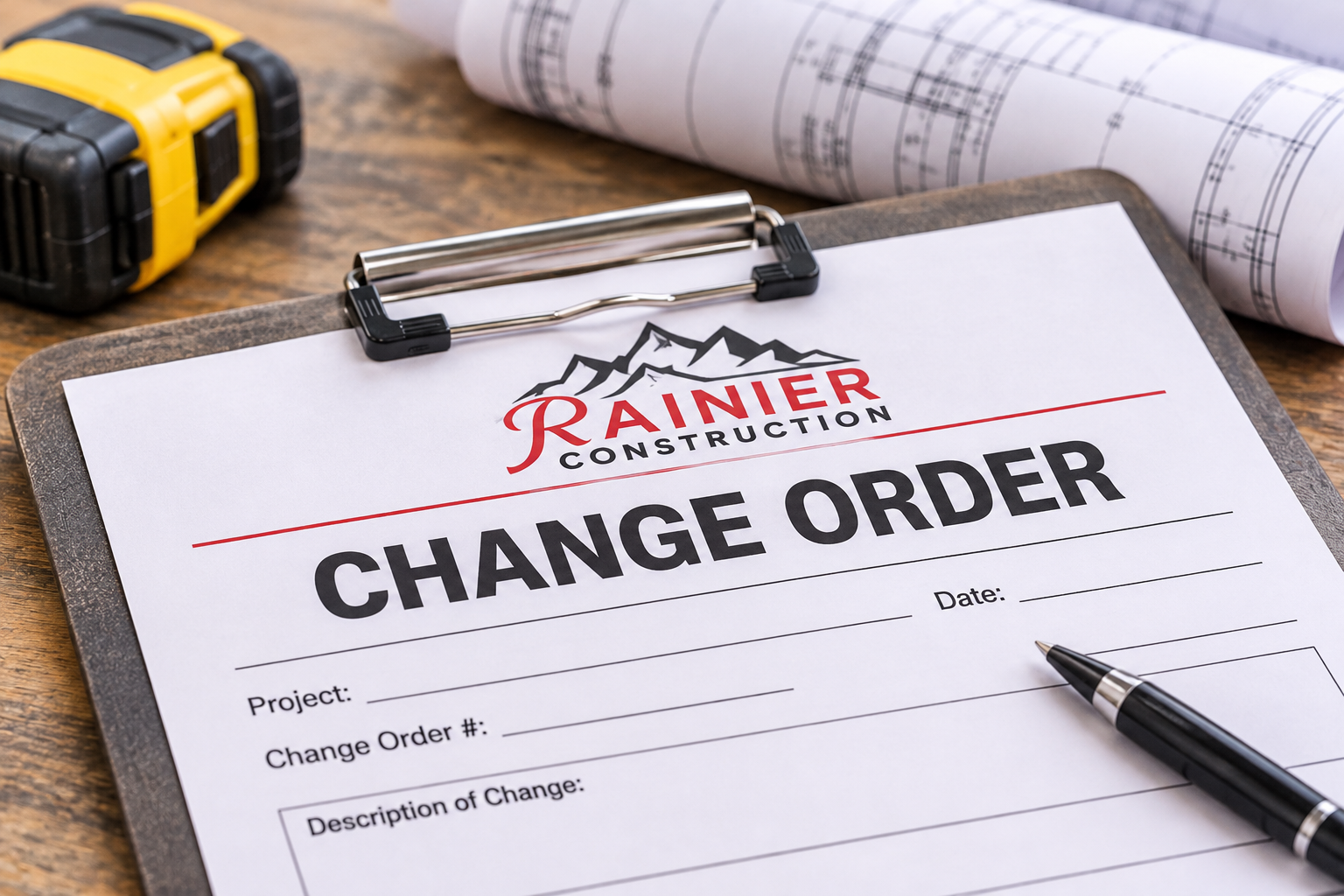
These situations can result in what is known as a change order.
While change orders are a normal part of the construction process, understanding how they work can help you avoid unnecessary surprises, stay informed about your budget, and keep your project moving forward with confidence.
What Is a Construction Change Order?
A change order is a written document that outlines an adjustment to the original construction agreement. It formally records changes to the project's scope of work, materials, costs, or timeline.
Change orders can happen for several reasons, including:
Homeowner requested changes: You decide to add features, upgrade materials, or modify the original design.
Unexpected conditions: Your contractor discovers hidden issues, such as water damage, outdated wiring, plumbing problems, or structural concerns.
Design adjustments: Changes are needed to accommodate the existing structure, improve functionality, or meet updated design preferences.
Material or product substitutions: A specified product becomes unavailable, or an alternative is selected.
Building or permitting requirements: Additional work may be necessary to address requirements identified during the project.
Not every change is a major expense, but even small adjustments can affect the overall budget and construction schedule.
Common Examples of Change Orders During a Remodel
Change orders can look different depending on the type and complexity of your project. Here are a few common examples homeowners may encounter.
1. Upgrading Materials or Finishes
You originally selected standard cabinetry, flooring, or countertops but decide to upgrade to a different product during construction. The price difference, additional labor, and potential scheduling adjustments may require a change order.
2. Adding Additional Features
You decide to add recessed lighting, additional electrical outlets, built-in shelving, or another feature that wasn't included in the original scope of work.
3. Addressing Hidden Issues
During demolition, your contractor discovers water damage, deteriorated framing, outdated plumbing, or other conditions that weren't visible before construction began. These issues may need to be corrected to ensure the project can move forward properly.
4. Changing the Original Design
You decide to relocate a doorway, adjust a wall layout, or change the configuration of a bathroom or kitchen. Even seemingly minor design changes can involve additional labor, materials, and coordination with subcontractors.
The key is understanding that changes can have a ripple effect throughout a construction project.
How Do Change Orders Affect Your Budget and Timeline?
One of the biggest misconceptions about construction is that the original project price and completion date will never change.
While a detailed scope of work and thorough pre-construction planning help establish realistic expectations, construction projects can involve variables that are not always visible at the beginning.
A change order can affect your project in two important ways:
Your Budget
Additional materials, labor, subcontractor costs, or necessary repairs can increase the total project cost. Depending on the change, there may also be credits if previously included work is removed or replaced.
Your Schedule
Changes can require additional ordering time, subcontractor coordination, inspections, or adjustments to the construction sequence. A product upgrade or unexpected repair may also introduce delays if materials need to be reordered.
A good contractor will communicate these impacts before proceeding so you understand how a proposed change affects the overall project.
6 Ways to Avoid Construction Surprises
Although not every change can be anticipated, there are several ways to reduce unexpected costs and keep your project on track.
1. Invest Time in Pre-Construction Planning
A successful construction project starts long before demolition or building begins.
The pre-construction phase is an opportunity to work through project details, establish priorities, select materials, discuss design decisions, and develop a realistic budget.
The more decisions that can be finalized before construction starts, the fewer last-minute changes you're likely to encounter.
2. Establish a Clear Scope of Work
Make sure you understand exactly what is included in your construction agreement.
A detailed scope of work should outline the planned improvements, materials, allowances, and responsibilities for each phase of the project.
If something isn't clearly defined, ask questions before signing the agreement. Having everyone on the same page from the beginning helps prevent misunderstandings later.
3. Finalize Material and Finish Selections Early
Material selections can have a significant impact on both your budget and schedule.
Whenever possible, make decisions about cabinetry, flooring, countertops, plumbing fixtures, lighting, and other finishes before construction begins.
Last minute selections can create additional costs, ordering delays, and scheduling challenges.
4. Understand Your Budget and Allowances
If your project includes material allowances, take time to understand what those numbers represent.
An allowance is an estimated amount set aside in the budget for a particular item or selection. If your final selection costs more than the allowance, you may be responsible for the difference.
Ask your contractor to explain allowances and identify areas where costs could vary. This gives you a better understanding of where you have flexibility and where you may need to make adjustments.
5. Maintain Open Communication
Communication is one of the most important parts of any construction project.
Stay in touch with your contractor, ask questions when something is unclear, and bring up potential changes as early as possible.
If you are considering an upgrade or additional feature, discussing it before the work is scheduled or completed can help minimize unnecessary costs and delays.
6. Review and Approve Changes in Writing
Before additional work begins, make sure you receive a written change order outlining:
A description of the proposed change.
Any additional or reduced costs.
Changes to the project timeline.
Any adjustments to the original scope of work.
Take the time to review the details and ask questions before approving the change.
Having everything documented protects both the homeowner and contractor by creating a clear record of what was agreed upon.
Are Change Orders Always a Bad Thing?
Not at all!
In fact, some change orders can improve the final result of a project.
You may discover an opportunity to make your space more functional, select a material that better fits your lifestyle, or address an underlying issue that could cause problems in the future.
The goal isn't to eliminate every change order. It's to make informed decisions and understand the costs and impacts before moving forward.
A well managed change order process allows homeowners to make adjustments while maintaining a clear understanding of their investment.
Why Working With the Right Contractor Matters
Construction involves many moving parts, and even well planned projects can encounter unexpected situations.
Working with a contractor who prioritizes transparency, communication, and detailed planning makes a significant difference.
At Rainier Construction, we believe homeowners should understand what is happening throughout every phase of their project. From the initial planning stages to the final walkthrough, our approach focuses on clear communication, thoughtful preparation, and helping clients make decisions that align with their goals and budgets.
When changes arise, we work with homeowners to explain their options, discuss potential costs, and determine the best path forward.
Our goal is to create a construction experience built on trust, not surprises.
Planning a Home Renovation or Addition?
Whether you are considering a kitchen renovation, a home addition, or a complete transformation, understanding the construction process is an important first step.
The right planning, realistic expectations, and open communication can help make your project a smoother and more rewarding experience.
Thinking about a project in Pierce or Kitsap County? Connect with Rainier Construction to start the conversation. We would love to learn more about your vision and help you take the next step!
Fill out our project survey to get started: https://www.rainierconstructionllc.com/remodels-additions-survey